Comprehensive Guide to Accounting for Small Businesses
AT
Understanding the Basics of Accounting
Accounting is the backbone of any successful small business. It involves tracking income, expenses, and other financial activities to ensure your business remains profitable. By maintaining accurate records, you can make informed decisions, prepare for taxes, and manage cash flow effectively. For small business owners, understanding basic accounting principles is crucial.
Setting Up Your Accounting System
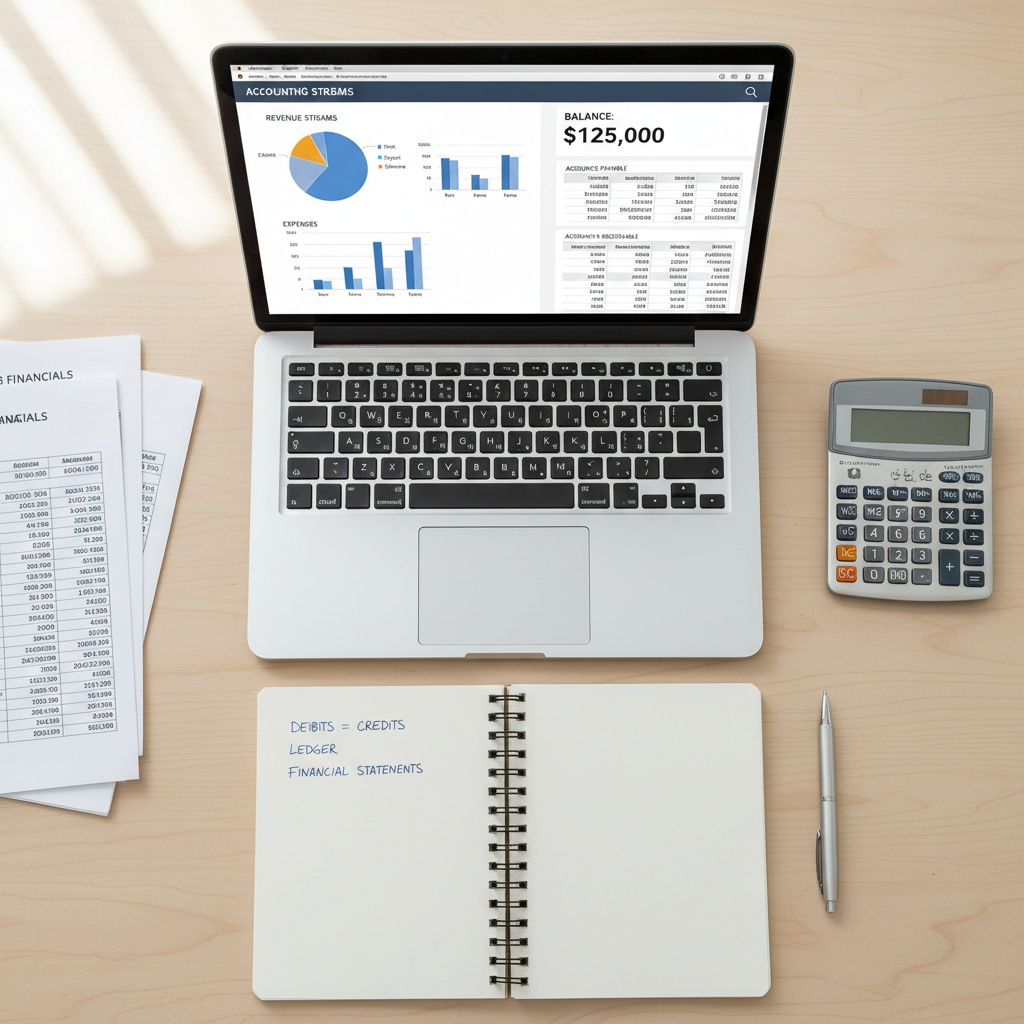
Before diving into day-to-day accounting tasks, it's essential to set up an efficient accounting system. Decide whether you will handle accounting in-house or outsource it to a professional. Many small businesses opt for accounting software like QuickBooks or Xero, which offer user-friendly interfaces and comprehensive features. Ensuring your system is tailored to your business needs will streamline your financial processes.
Bookkeeping Essentials
Bookkeeping is the process of recording all financial transactions systematically. This includes sales, purchases, receipts, and payments. Keeping accurate books ensures that your financial statements reflect the true state of your business. You can choose between single-entry or double-entry bookkeeping systems, with the latter being more comprehensive and widely used.

The Importance of Financial Statements
Financial statements are crucial for understanding your business's financial health. The three main types are the balance sheet, income statement, and cash flow statement. These documents provide insights into your assets, liabilities, revenues, and expenses, helping you make strategic decisions. Regularly reviewing these statements keeps you informed and prepared for any financial challenges.
Managing Cash Flow
Cash flow management is vital for the sustainability of your business. It involves monitoring the money coming in and going out to ensure you can meet your financial obligations. Implementing strategies like forecasting and budgeting can help maintain a positive cash flow. Pay special attention to payment terms with clients and suppliers to avoid cash shortages.
Tax Preparation and Compliance
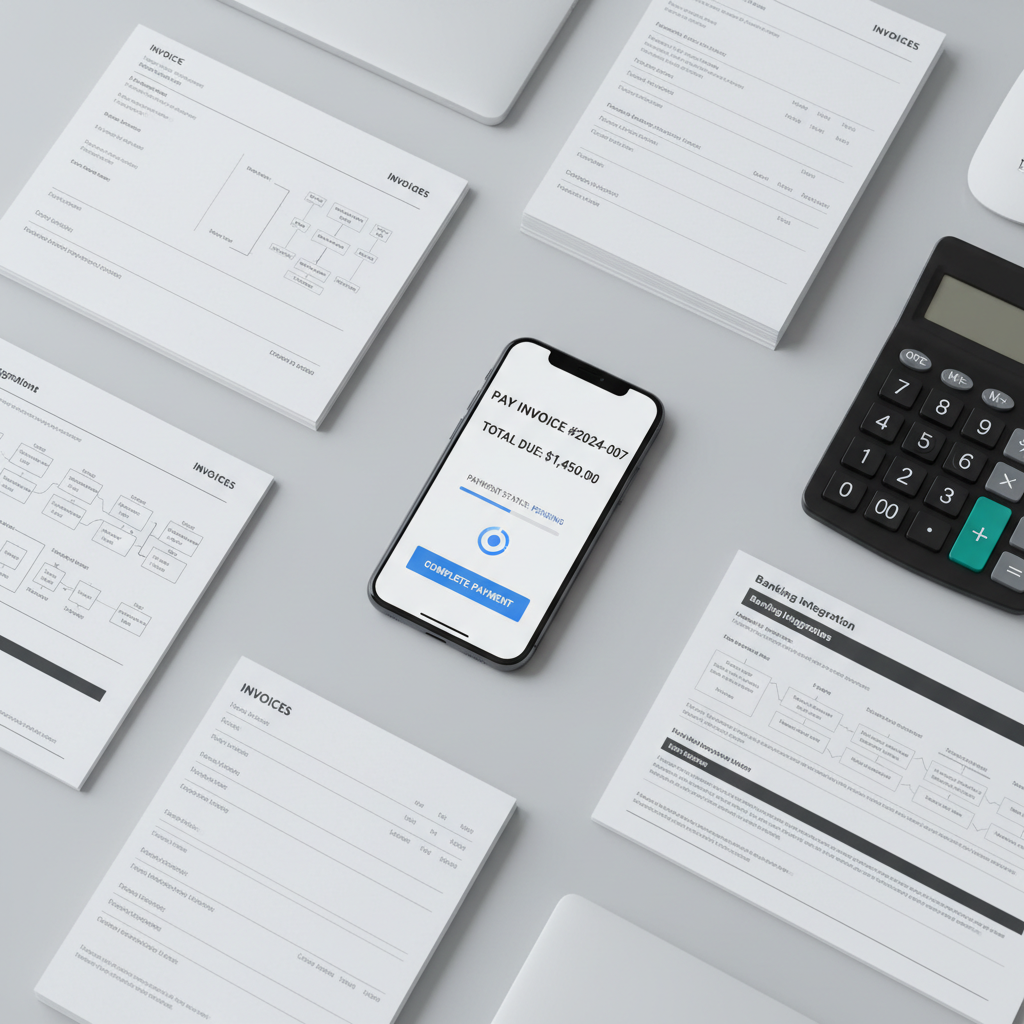
Small businesses must comply with tax regulations to avoid penalties. Understanding your tax obligations, including income tax, sales tax, and payroll tax, is essential. Regularly updating your financial records simplifies the tax filing process. Consider consulting with a tax professional to ensure compliance and take advantage of any available deductions.
Utilizing Financial Ratios
Financial ratios are valuable tools for assessing your business performance. Ratios like current ratio, debt-to-equity, and gross margin provide insights into liquidity, solvency, and profitability. Regular analysis of these ratios helps identify trends and areas for improvement, enabling you to make informed strategic decisions.
Preparing for Growth
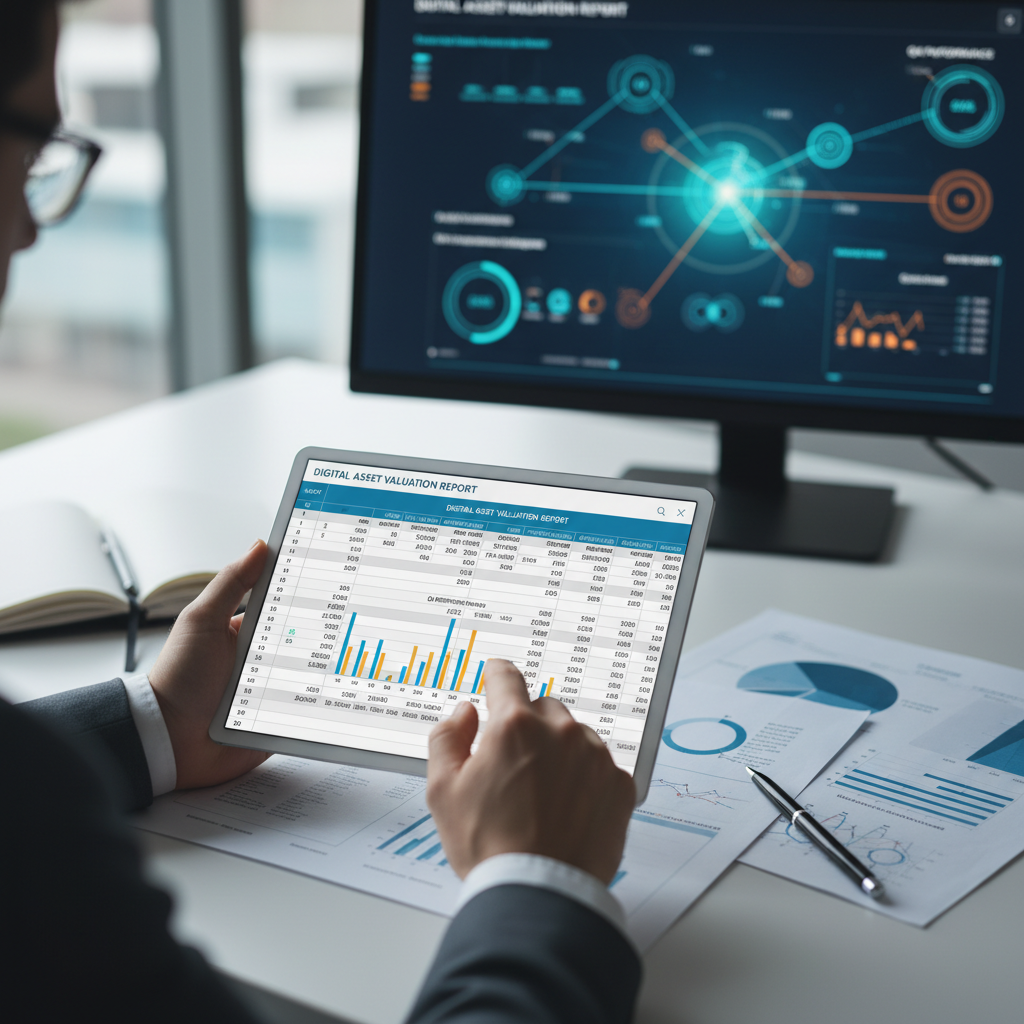
As your business grows, your accounting needs will become more complex. Planning for expansion involves revisiting your accounting practices to accommodate increased transactions and potential new revenue streams. Implementing scalable accounting solutions and possibly hiring additional financial staff can support your growth trajectory.
In conclusion, mastering small business accounting is essential for sustaining and growing your business. By understanding the fundamentals, setting up an efficient system, and staying compliant with regulations, you can ensure your business's financial health and long-term success.